
momaspet
Online Pet Consultancy & Veterinary Guidance
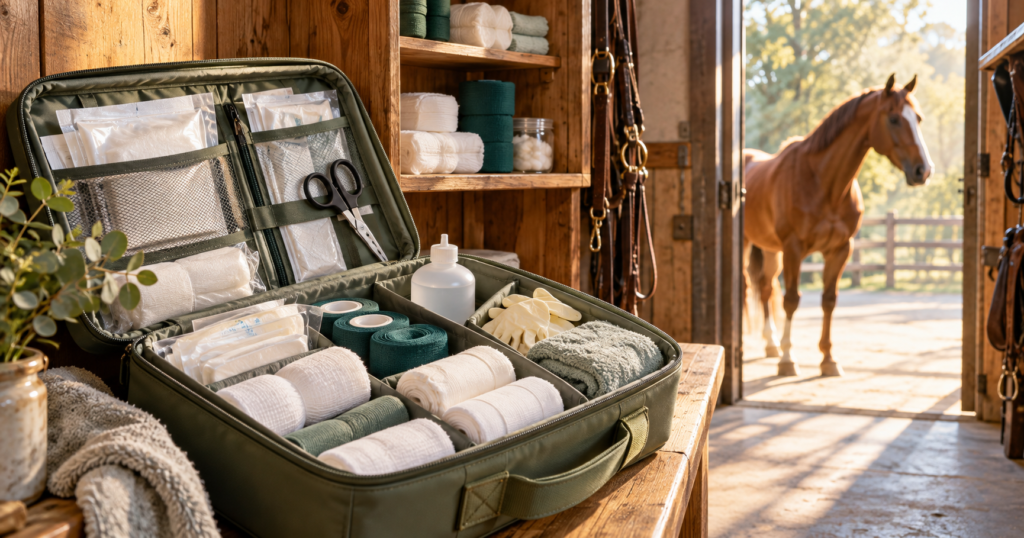
Horse Wound-Care Cabinet Checklist: What to Keep in the Stable
A horse wound-care cabinet should prioritize clean handling and rapid assessment: disposable gloves, sterile saline, gauze, appropriate bandage materials, clean towels, a thermometer, flashlight, blunt-tip scissors, emergency contact details and any vet-recommended topical products. Keep supplies dry, labeled and easy to access.
Pet owners often search for a fast answer when something changes, but the safest answer is rarely a one-size-fits-all product recommendation. This guide explains horse wound care kit in plain language, shows what information is useful to track, and helps U.S. pet owners know when professional veterinary care matters.
Start with clean handling supplies
Disposable gloves, clean gauze and a way to rinse superficial contamination are more important than having a cabinet full of unneeded medications. Replace opened or dirty items promptly.
Useful wound-assessment tools
A flashlight, thermometer, clean clippers used carefully around hair when appropriate, and a phone for photos can help you describe a wound to your veterinarian. Do not probe deep wounds or remove embedded objects.
Bandaging basics
Stock gauze pads, padding and cohesive or adhesive outer wraps appropriate for equine use. Bandaging technique matters: an incorrectly applied wrap can cause pressure injury, so learn proper technique from your veterinarian.
Topical products: keep only what you understand
Store products your veterinarian has recommended and make sure the label is readable. Negasunt is a wound-dressing/fly-strike product sold by MomasPets for horses; it should be used only when appropriate for the wound and under veterinary guidance.
Emergency information belongs in the cabinet
Post your veterinarian’s regular and after-hours numbers, trailer/transport contacts, the horse’s insurance details if applicable, and directions to the nearest referral hospital.
Audit the cabinet monthly
Check expiration dates, damaged packaging, dried-out products, contaminated gauze and missing items. Restock before fly season, travel or competition periods.
What does not belong in a DIY wound plan
Do not routinely stock prescription drugs “just in case” without veterinary direction, and do not pour harsh chemicals into wounds. Deep punctures, joint-area wounds, heavy bleeding and injuries near the eye require professional assessment.
How this connects to MomasPets
MomasPets can help you review product details, pack information and pet-care options after you have identified what your pet actually needs. For prescription or condition-specific medication, follow your veterinarian’s recommendation and any applicable U.S. prescription requirements.
|
Frequently Asked Questions
Should every horse owner keep antibiotics in the barn?
No. Antibiotic choice and use should be directed by a veterinarian. Unnecessary or incorrect use can delay proper treatment and contributes to antimicrobial-resistance concerns.
Is hydrogen peroxide good for horse wounds?
Repeated use of harsh antiseptics can damage healthy tissue. Ask your veterinarian what cleansing solution is appropriate for the specific wound.
How often should I check my horse first-aid cabinet?
A quick monthly check plus a seasonal review before periods of higher risk is practical for most barns.
Should I keep Negasunt in the stable?
If your veterinarian considers it appropriate for your horses and local fly/wound risk, it can be part of the cabinet. Keep the label intact and use only for labeled/vet-directed situations.

About Us.
As pet parents ourselves, we’re devoted to the well-being of all pets in all situations. Our entire existence is dedicated to a “pet-first” mentality that seeks the most optimal outcomes in every situation.
Newsletter.


momaspet is proudly powered by WordPress