
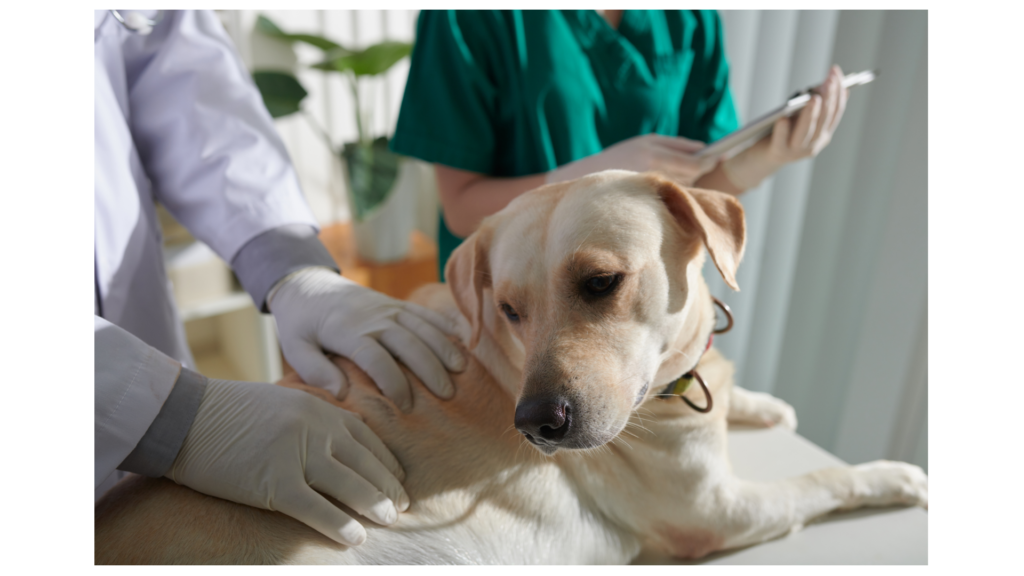
Ringworm in dogs is a fungal skin infection that causes circular patches of hair loss, redness, and scaling — not an actual worm. Treatment usually combines an oral antifungal such as itraconazole with a topical antifungal powder or shampoo, and most infections resolve within 4–6 weeks of consistent treatment.
Medically reviewed by Dr. Dinesh Moliya, B.V.Sc & A.H, M.V.Sc & A.H — 16 years of clinical veterinary experience.
Ringworm in dogs looks alarming when the classic circular bald patch appears, but it’s a manageable fungal skin infection when treated consistently. It spreads easily between pets and to people, so early identification matters as much as the treatment itself.
Ringworm spreads through direct contact with an infected animal, or indirectly through contaminated bedding, grooming tools, or surfaces, since fungal spores can survive in the environment for extended periods.
Vets typically recommend combining an oral antifungal, such as itraconazole, with a topical antifungal powder or shampoo applied directly to affected areas. The topical treatment helps reduce spore shedding into the environment while the oral medication addresses the infection systemically.
The most common treatment mistake is stopping too early — visible hair regrowth doesn’t necessarily mean the fungus is fully cleared, so completing the full course your vet recommends matters more than how the coat looks after a couple of weeks.
Timeframe | What to Expect |
|---|---|
Week 1 | Start oral and topical treatment; patches may still look active |
Week 2–3 | Hair regrowth begins at patch centers |
Week 4–6 | Most patches significantly improved with continued treatment |
Week 6+ | Vet-confirmed clearance, often via repeat testing |
🛍️ SHOP THIS PRODUCT Clotrimazole Anti-Fungal Powder — topical antifungal powder used to support ringworm treatment and reduce fungal spore shedding. View & order: shop.momaspets.com/product/clotrimazole-anti-fungal-powder/ |
Is ringworm dangerous for dogs?
Ringworm is usually not dangerous but is uncomfortable and highly contagious, making prompt treatment important to prevent it spreading to other pets or people in the household.
How long is a dog with ringworm contagious?
A dog remains contagious until a vet confirms clearance, which typically takes several weeks of consistent treatment — visible hair regrowth alone isn’t proof the infection is fully resolved.
Can indoor dogs get ringworm?
Yes — ringworm spreads through contact with infected animals, contaminated bedding, or shared surfaces, so indoor dogs in multi-pet households are still at risk.
Does ringworm always cause hair loss?
Most cases show visible hair loss, but mild or early infections can sometimes be subtle, which is why a vet examination is useful if you suspect exposure.
Can I treat ringworm with only a topical powder?
Topical treatment helps reduce spore shedding but is often paired with an oral antifungal for full resolution, particularly in more extensive infections.
Is ringworm the same fungus in dogs and cats?
The species involved can overlap, which is part of why ringworm spreads easily between dogs, cats, and even people sharing a household.
How do I disinfect my home after a ringworm case?
Regular vacuuming, washing bedding and fabrics on a hot cycle, and cleaning hard surfaces reduces spore load in the environment while your dog completes treatment.
👨⚕️ NOT SURE WHAT’S GOING ON? Book a free online consultation with Dr. Dinesh Moliya (B.V.Sc & A.H, M.V.Sc & A.H, 16 years clinical experience) at momaspets.com — get a vet’s read on your pet’s symptoms before you decide on treatment. |
As pet parents ourselves, we’re devoted to the well-being of all pets in all situations. Our entire existence is dedicated to a “pet-first” mentality that seeks the most optimal outcomes in every situation.



