
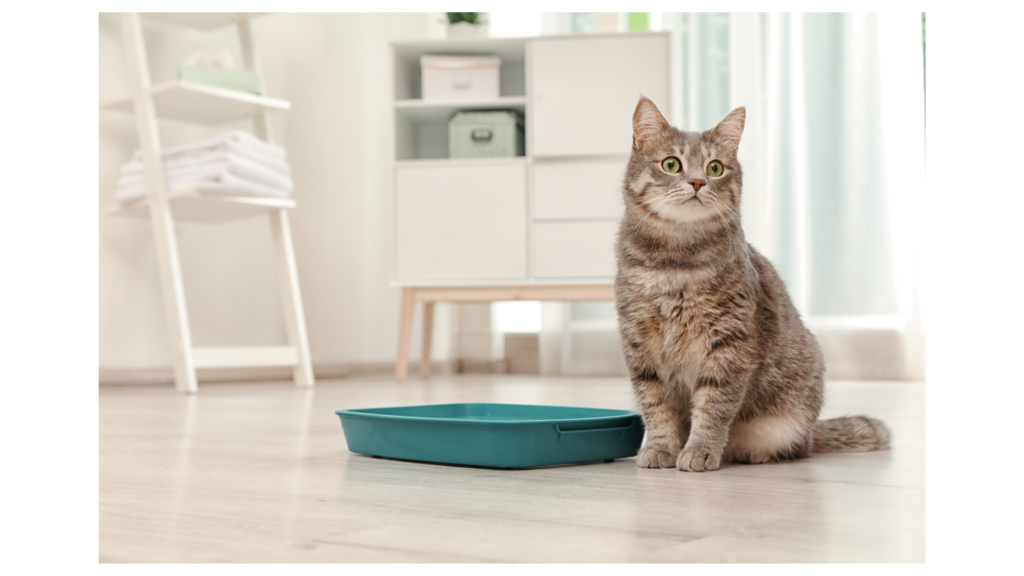
A cat avoiding the litter box can be due to a medical issue — most commonly a urinary tract infection, bladder stones, or feline lower urinary tract disease — or a behavioral cause like litter box aversion, stress, or a dirty box. Straining to urinate with little output is a potential emergency, especially in male cats, and needs immediate veterinary attention.
Medically reviewed by Dr. Dinesh Moliya, B.V.Sc & A.H, M.V.Sc & A.H — 16 years of clinical veterinary experience.
Litter box avoidance is one of the most common reasons cat owners seek help, and it’s rarely just “bad behavior.” In many cases it’s the cat’s way of signalling pain or discomfort. Here’s how to tell the difference between a medical cause and a behavioral one — and when to treat it as urgent.
Sign | Urgency |
|---|---|
Straining with little to no urine, especially in male cats | Emergency — same day |
Blood in urine | See a vet within 24 hours |
Frequent small urinations outside the box | See a vet soon, not necessarily same-day |
Avoiding a specific box but using another | Likely behavioral — monitor and adjust setup |
Increased thirst and urination over weeks | Vet visit to rule out kidney disease or diabetes |
Male cats have a narrower urethra, which makes them more prone to a complete urinary blockage. A cat that is straining repeatedly, crying out, or producing little to no urine may be unable to urinate at all — this is a genuine emergency that can become life-threatening within hours if untreated, so it should never be watched and waited on.
🛍️ SHOP THIS PRODUCT Metoclopramide — used under veterinary guidance to manage nausea and GI symptoms that can accompany urinary and systemic illness in cats. View & order: shop.momaspets.com/product/metoclopramide/ |
Why does my cat suddenly avoid the litter box?
It’s usually either a medical issue like a urinary tract infection or bladder inflammation, or a behavioral cause such as a dirty box, stress, or disliking the litter type — a vet visit helps rule out the medical causes first.
Is straining to urinate an emergency in cats?
In male cats especially, yes — straining with little or no urine output can mean a urinary blockage, which is life-threatening and needs same-day veterinary care.
Can stress alone cause litter box problems?
Yes, stress from household changes, new pets, or environmental shifts is a well-documented behavioral trigger, though it should still be assessed alongside possible medical causes.
What does blood in a cat’s urine usually mean?
It commonly indicates inflammation, infection, or crystals/stones in the urinary tract, and warrants a vet visit within 24 hours rather than a wait-and-see approach.
Are male or female cats more prone to blockages?
Male cats are significantly more prone to urinary blockages due to a narrower urethra, making straining episodes in male cats a higher-priority emergency sign.
How is a urinary tract issue diagnosed in cats?
Vets typically use a urinalysis, and sometimes imaging or bloodwork, to distinguish between infection, crystals, stones, and other underlying causes.
Can diet affect litter box behavior?
Yes — diets that support urinary health can reduce crystal formation and irritation, which is often part of a vet’s long-term management plan after an initial diagnosis.
👨⚕️ NOT SURE WHAT’S GOING ON? Book a free online consultation with Dr. Dinesh Moliya (B.V.Sc & A.H, M.V.Sc & A.H, 16 years clinical experience) at momaspets.com — get a vet’s read on your pet’s symptoms before you decide on treatment. |
As pet parents ourselves, we’re devoted to the well-being of all pets in all situations. Our entire existence is dedicated to a “pet-first” mentality that seeks the most optimal outcomes in every situation.
momaspet is proudly powered by WordPress



