
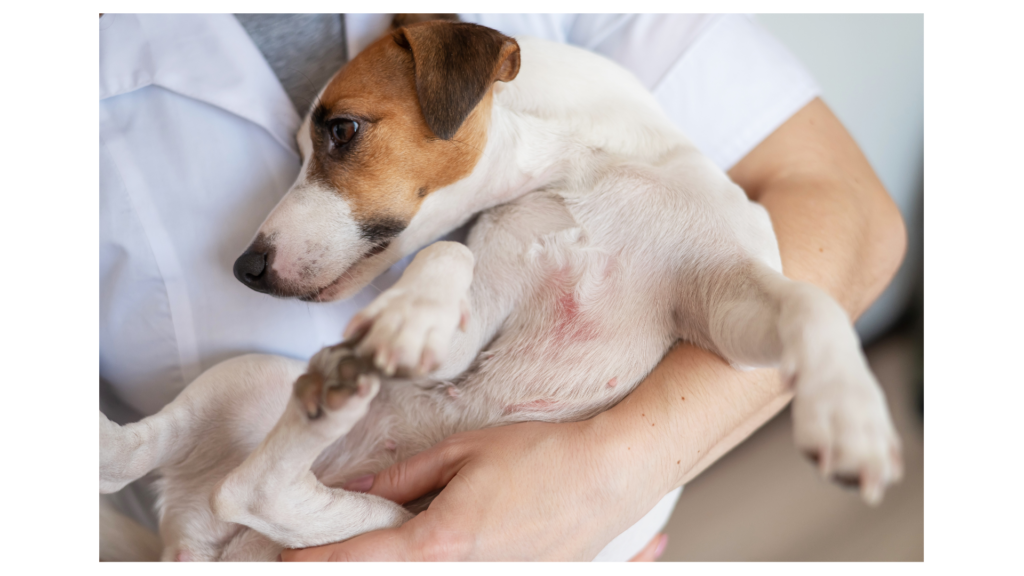
Bacterial skin infection in dogs — called pyoderma — is caused by overgrowth of bacteria (most commonly Staphylococcus pseudintermedius) in the skin. It produces red bumps, crusting, hair loss, and an unpleasant odour. Treatment involves antibiotics (oral or topical) and medicated shampoos. Most cases resolve within 3–6 weeks with the correct antibiotic, chosen based on skin cytology or culture results.
Bacterial skin infection — known medically as pyoderma — is one of the most common skin conditions in dogs and one of the top four reasons veterinarians prescribe antibiotics. It can develop as a primary problem, but more often it develops on top of another skin issue: allergies, mange, a hormonal condition, or a wound. Knowing what pyoderma looks like, how deep it goes, and what treatment is needed can make the difference between a 3-week recovery and months of recurring infections.
The bacteria responsible for most canine pyoderma are Staphylococcus pseudintermedius — a species that normally lives on a dog’s skin in small numbers without causing problems. Infection occurs when the skin’s natural defenses are compromised. Common triggers include:
Pyoderma is classified by how deep the infection penetrates into the skin. The depth determines how long treatment needs to run.
Type | What It Affects | Typical Treatment Duration |
|---|---|---|
Surface pyoderma | Outer skin surface and skin folds only | 1–2 weeks topical only |
Superficial pyoderma | Outer skin layers and hair follicles | 3–4 weeks antibiotics |
Deep pyoderma | Deep dermis, subcutis, or between toes (furunculosis) | 6–12 weeks antibiotics |
Pyoderma can look different depending on depth and location. The most common signs include:
Dogs with pyoderma are often itchy, though the degree of itching varies. Secondary yeast infections (Malassezia) frequently accompany bacterial pyoderma — a vet skin cytology swab distinguishes between the two and guides treatment.
Diagnosis begins with a physical examination — looking at the type, depth, and distribution of skin lesions. Your vet will typically perform:
Treating without a cytology is common for first-time mild infections. But for recurrent pyoderma, culture and sensitivity results are essential — antibiotic resistance in Staphylococcus is a growing concern in veterinary medicine.
Systemic antibiotics are the standard treatment for superficial and deep pyoderma. The antibiotic is chosen based on culture sensitivity results where available. First-line options commonly used in dogs include cephalexin and lincomycin-class antibiotics.
🛒 Vet-Recommended: Cephalexin 300mg for Dogs A first-line antibiotic for bacterial skin infections (pyoderma) in dogs. FDA-approved for superficial pyoderma with a clinical success rate exceeding 93% in published studies. Use only under veterinary prescription and guidance. Order now → https://shop.momaspets.com/product/cephalexin-300-mg-tablets-for-dog-cat/ |
🛒 Vet-Recommended: Lixen 600mg (Lincomycin) for Dogs An effective antibiotic option for deeper skin infections and pyoderma in dogs. Used when broader spectrum coverage is needed. Prescription required — your vet will advise on dose and duration. Order now → https://shop.momaspets.com/product/lixen-600mg/ |
Topical therapy is used alongside oral antibiotics or as the sole treatment for mild surface pyoderma. It reduces the bacterial load on the skin surface and speeds healing.
🛒 Vet-Recommended: Lorexane Ointment Topical antiseptic ointment for localised bacterial skin infections in dogs. Supports wound healing and reduces surface bacterial load. Suitable for skin fold infections and post-mange secondary infection. Order now → https://shop.momaspets.com/product/lorexane-ointment/ |
Pyoderma that keeps coming back — recurring every few weeks or months — almost always has an underlying cause that hasn’t been addressed. The most common are allergies, flea infestation, and hormonal disease. Without treating the root problem, the infection will return regardless of how many courses of antibiotics are used.
Infection Depth | Minimum Antibiotic Duration |
|---|---|
Surface (skin folds only) | 7–14 days topical |
Superficial pyoderma | 21–28 days oral antibiotics |
Deep pyoderma | 6–12 weeks, guided by culture results |
Recurrent pyoderma | Ongoing — treat underlying cause + pulses |
A critical rule: always complete the full course of antibiotics even if the skin looks better. Stopping early allows resistant bacteria to survive and leads to harder-to-treat recurrent infections.
🩺 Not sure what’s wrong with your pet? Book a FREE online consultation with Dr. Dinesh Moliya (B.V.SC & A.H, M.V.SC & A.H, 16 years clinical experience) and get expert vet advice from home. Book Free Consult → https://momaspets.com/online-vet-consultation/ |
Q: What does bacterial skin infection look like on a dog?
A: Pyoderma typically shows as red pimples, circular crusty ring-shaped patches, patchy hair loss, and a musty odour. The belly and groin are common sites in mild infections. Severe cases may show swelling, oozing, or draining tracts, particularly between the toes.
Q: How do I know if my dog has pyoderma or just allergies?
A: Both cause itching and hair loss, which makes them hard to tell apart visually. Pyoderma specifically produces pimples, pustules, and crusting, while allergies typically cause diffuse redness and itching without obvious pus or lesions. Many dogs have both simultaneously — a skin cytology swab at your vet clinic can identify bacteria within minutes.
Q: Can pyoderma in dogs spread to humans?
A: Canine pyoderma is primarily caused by Staphylococcus pseudintermedius, which rarely infects humans. Standard hygiene precautions — washing hands after handling an infected dog — are sufficient. However, immunocompromised people should be more cautious and should speak with their doctor.
Q: What antibiotic is most commonly used for dog skin infections?
A: Cephalexin is the most widely used first-line antibiotic for canine pyoderma. It is effective against most Staphylococcal strains and is used at a dose of approximately 22 mg/kg twice daily for 3–6 weeks. Culture and sensitivity testing guides antibiotic choice in recurrent or non-responsive cases.
Q: Why does my dog keep getting skin infections?
A: Recurring pyoderma almost always indicates an unresolved underlying cause — most commonly atopic dermatitis (environmental allergies), food allergy, or flea allergy. Hormonal diseases like hypothyroidism or Cushing’s disease are also common culprits. A full diagnostic workup is needed to identify and address the root cause.
Q: Can I use human antibiotic cream on my dog’s skin infection?
A: No. Human topical antibiotics may contain ingredients harmful to dogs if licked, and they may not be effective against the bacteria causing canine pyoderma. Use only veterinary-formulated topical products. If your dog needs topical antibiotic treatment, your vet will prescribe the appropriate product.
Q: Is pyoderma contagious between dogs?
A: Pyoderma itself is not directly contagious. The bacteria involved are species that naturally live on dog skin. However, the underlying triggers — like mange mites or flea infestations — can spread between dogs. If you have multiple dogs and one develops pyoderma, check all pets for parasites.
As pet parents ourselves, we’re devoted to the well-being of all pets in all situations. Our entire existence is dedicated to a “pet-first” mentality that seeks the most optimal outcomes in every situation.
momaspet is proudly powered by WordPress



