
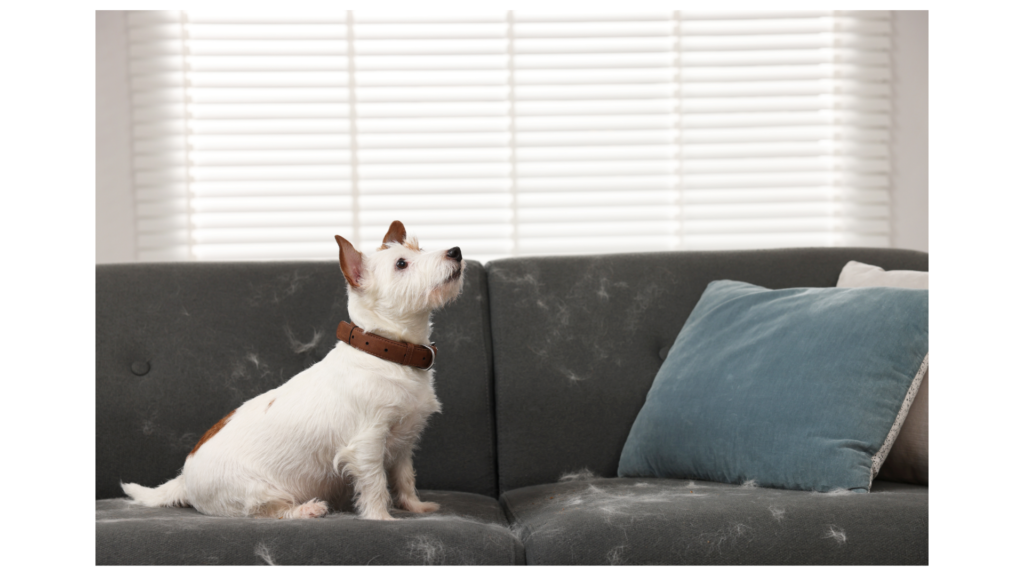
Dogs lose hair abnormally — called alopecia — when hair follicles are inflamed, infected, or disrupted by parasites, allergies, hormonal disease, or immune conditions. The pattern of hair loss is the most important diagnostic clue: patchy and itchy usually means parasites or infection; symmetrical and non-itchy usually means a hormonal cause. A vet examination and skin tests identify the exact cause and guide treatment.
Every dog sheds — that’s completely normal. But when you start seeing bald patches, thinning coats where the skin shows through, or fur that isn’t growing back, that’s hair loss (alopecia) — and it needs investigating. There are more than a dozen different reasons dogs lose hair abnormally, ranging from very treatable skin conditions to underlying hormonal diseases. This guide walks through every major cause, how vets identify them, and what treatment looks like for each.
Normal shedding leaves a full coat behind. Even heavy seasonal shedders — like Labradors or Huskies going through a ‘coat blow’ — don’t develop bald patches. Abnormal hair loss produces areas where fur simply doesn’t grow back, or where the skin becomes visible through thinning fur.
Allergies are the most common cause of itchy hair loss in dogs. Environmental allergens like dust mites, pollen, and mould, as well as food ingredients like chicken or wheat, trigger immune reactions in the skin. Dogs scratch and chew the affected areas, causing the fur to thin and fall out — particularly around the paws, face, armpits, and groin.
🛒 Vet-Recommended: Allermyl Shampoo Designed for dogs with allergic skin conditions. Helps restore the skin barrier and reduce inflammation that causes hair thinning. Use 2–3 times weekly during flare-ups. Order now → https://shop.momaspets.com/product/allermyl-shampoo/ |
Both sarcoptic and demodectic mange cause hair loss alongside skin changes. Sarcoptic mange produces intense itching and hair loss at the ear margins, elbows, and face. Demodectic mange causes patchy, less itchy hair loss typically starting around the eyes, muzzle, and paws. A skin scraping under a microscope confirms the diagnosis.
→ See our full guide: Mange in Dogs — Types, Symptoms & Vet Treatment (link: momaspets.com/mange-in-dogs-treatment/)
Despite the name, ringworm is a fungal infection — not a worm. It causes circular, well-defined bald patches, typically without severe itching. The skin at the centre of the bald patch is often scaly or crusty. Ringworm is contagious to humans and other pets and requires antifungal treatment.
Pyoderma causes a ‘moth-eaten’ appearance — irregular patches of hair loss across the coat, often alongside red pimples, crusting, and odour. It frequently occurs as a secondary infection on top of allergies or mange. Treatment involves antibiotics and medicated shampoos.
→ See our full guide: Bacterial Skin Infection in Dogs — Causes, Signs & Vet Treatment (link: momaspets.com/bacterial-skin-infection-in-dogs/)
Hormonal causes of hair loss tend to produce symmetrical thinning without itching — a key distinction from allergies or mange. Hypothyroidism causes the hair coat to become dull, sparse, and prone to falling out, usually on both sides of the trunk. Dogs may also gain weight, be lethargic, and feel cold. A blood test confirms the diagnosis.
Cushing’s disease occurs when the adrenal glands produce too much cortisol. Hair thins symmetrically on both sides of the body and the abdomen appears pot-bellied. Dogs drink and urinate excessively. The skin may also become thin and prone to bruising. Blood tests and urine tests are used for diagnosis.
A single flea bite can cause an intense allergic reaction in sensitive dogs. Severe scratching and hair loss concentrate at the base of the tail, the inner thighs, and the belly. Even if you don’t see live fleas, flea dirt (tiny black specks) in the coat confirms exposure. Year-round flea prevention is the treatment.
Dogs under significant stress or anxiety can develop excessive licking and chewing habits, leading to self-inflicted hair loss — most commonly on the forelegs or flanks. The hair loss is typically in well-defined areas the dog can reach. Treatment involves addressing the underlying anxiety.
🛒 Vet-Recommended: Cyclosporine Oral Solution For dogs with chronic allergic skin disease or immune-mediated hair loss. Reduces the immune response driving skin inflammation. Prescription product — use under vet guidance. Order now → https://shop.momaspets.com/product/cyclosporine-oral-solution/ |
Where and how hair falls out gives vets the most important diagnostic clue. Use this as a starting guide:
Pattern of Hair Loss | Most Likely Cause |
|---|---|
Patchy + itchy (ears, face, elbows) | Sarcoptic mange or allergies |
Patchy + less itchy (around eyes, muzzle) | Demodectic mange or ringworm |
Circular bald patches with scaly skin | Ringworm (fungal) |
‘Moth-eaten’ appearance across body | Bacterial pyoderma |
Symmetrical on both flanks, no itching | Hormonal (hypothyroid or Cushing’s) |
Base of tail, groin, inner thighs | Flea allergy dermatitis |
Localised patch on foreleg (chewed area) | Psychogenic/anxiety-related |
Your vet will begin with a detailed physical examination — looking at the hair loss pattern, skin texture, and whether itching is present. Diagnostic tests commonly used include:
Some diagnoses take time — vets may treat symptomatically for itching while awaiting results. Don’t be alarmed if your dog is given something for comfort before a full diagnosis is confirmed.
🩺 Not sure what’s wrong with your pet? Book a FREE online consultation with Dr. Dinesh Moliya (B.V.SC & A.H, M.V.SC & A.H, 16 years clinical experience) and get expert vet advice from home. Book Free Consult → https://momaspets.com/online-vet-consultation/ |
Q: Why is my dog losing hair in patches?
A: Patchy hair loss in dogs is most commonly caused by mange, ringworm, bacterial skin infection, or allergies. The pattern and location of the patches — plus whether itching is present — help determine the cause. A vet skin scraping and examination are the most reliable way to diagnose it accurately.
Q: Can stress cause hair loss in dogs?
A: Yes. Dogs under chronic stress or anxiety may develop psychogenic alopecia — they lick and chew specific areas compulsively, causing self-inflicted hair loss, typically on the forelegs or flanks. Addressing the underlying anxiety with behaviour support and sometimes medication resolves the hair loss.
Q: What deficiency causes hair loss in dogs?
A: Zinc deficiency can cause scaling and hair loss, particularly in Arctic breeds like Siberian Huskies. Protein deficiency from a poor diet causes a dull, brittle coat and excessive shedding. Omega-3 and omega-6 fatty acid deficiency makes the coat dry and prone to thinning. These are diagnosed with blood tests and dietary history.
Q: Is dog hair loss seasonal?
A: Some dogs develop seasonal flank alopecia — recurrent, symmetrical hair loss on the sides of the trunk, often in autumn or winter. It is not itchy and typically resolves on its own in spring. It is more common in breeds like Boxers, Schnauzers, and Bulldogs.
Q: Will my dog’s hair grow back?
A: In most cases, yes. Once the underlying cause is treated — whether that’s mites, infection, allergies, or hormonal disease — hair regrows over weeks to months. Very long-standing or severe conditions may leave some permanent thinning in heavily scarred areas.
Q: What shampoo helps with dog hair loss from allergies?
A: Medicated shampoos containing chlorhexidine, ketoconazole, or oatmeal help reduce the skin inflammation that drives allergy-related hair loss. Allermyl Shampoo is specifically formulated for dogs with allergic skin conditions and helps restore the skin barrier. Always use 2–3 times weekly during flare-ups under vet guidance.
Q: Can I give my dog supplements for hair loss?
A: Omega-3 fatty acid supplements support skin and coat health and can reduce the severity of allergy-related hair loss. Biotin supplements may also help in deficiency cases. However, supplements do not treat mange, infection, or hormonal disease — a vet diagnosis is essential before relying on supplements alone.
As pet parents ourselves, we’re devoted to the well-being of all pets in all situations. Our entire existence is dedicated to a “pet-first” mentality that seeks the most optimal outcomes in every situation.
momaspet is proudly powered by WordPress



