
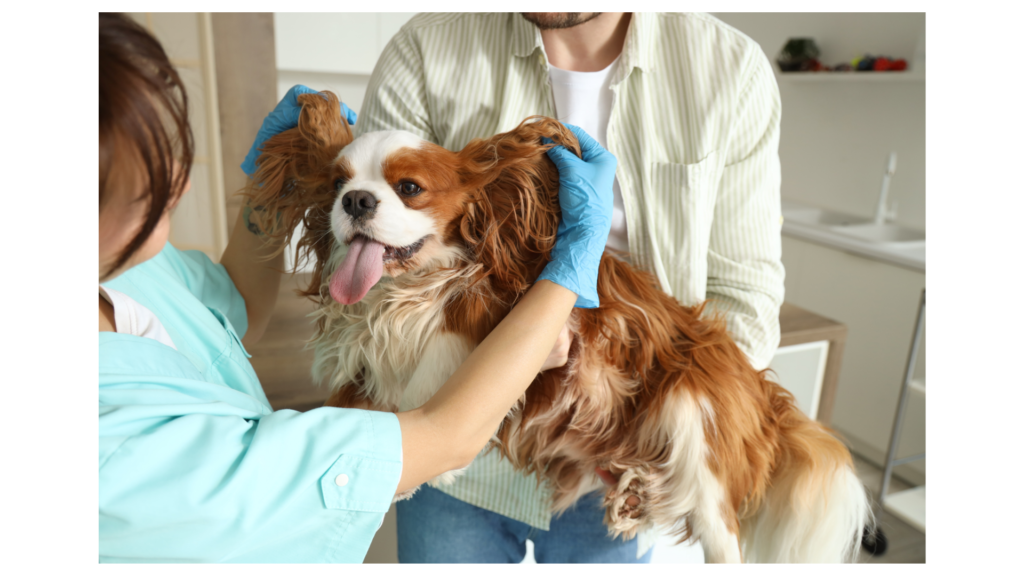
Dog wound care involves cleaning the wound with saline or dilute chlorhexidine, removing visible debris, applying an appropriate antiseptic, and preventing the dog from licking the site. Minor cuts and scrapes can be managed at home with proper wound hygiene. Wounds that are deep, gaping, caused by animal bites, actively bleeding, or showing signs of infection — redness, swelling, discharge, or odour — require veterinary attention within 12–24 hours.
Dogs get into scrapes — literally. Whether it’s a cut from rough terrain, a bite wound from another dog, a scratch from a fence, or a surgical site that needs monitoring, knowing how to assess and care for a wound at home can prevent a minor injury from becoming a serious infection. This guide walks through everything: what wound care looks like in practice, which products actually help, the warning signs that a wound is infected, and when a vet visit cannot wait.
Wound Type | Key Characteristics & What It Means |
|---|---|
Abrasion (graze) | Superficial scraping of the outer skin. Rarely needs stitches. Clean and protect. |
Laceration (cut) | Clean-edged cut. Small cuts can be managed at home. Gaping or deep cuts need vet closure. |
Puncture wound | Small entry hole, potentially deep. Often from thorns, nails, or teeth. Looks minor — is often not. Always vet-checked. |
Bite wound | Caused by animal teeth. High infection risk — bacteria are injected deep into tissue. Always requires vet assessment even if small. |
Surgical wound | Post-operative incision. Follow your vet’s specific aftercare instructions. Watch for dehiscence (opening) or infection. |
Burn or chemical wound | From heat, friction, or caustic substances. Flush immediately with water and go to the vet. |
Puncture wounds and bite wounds deserve special attention: they often look minor at the surface but carry significant infection risk because bacteria are deposited deep in the tissue where the immune system struggles to reach them. A small puncture that closes over traps bacteria inside — this is how abscesses form.
For minor cuts, abrasions, and scrapes, prompt and correct wound cleaning at home significantly reduces infection risk:
Step 1 — Control bleeding
Apply gentle, firm pressure with a clean cloth or gauze for 3–5 minutes. Do not remove the cloth until the bleeding stops — removing it prematurely disturbs clot formation. If bleeding doesn’t slow within 10 minutes, go to a vet.
Step 2 — Trim surrounding fur
Use rounded-tip scissors to carefully trim the fur around the wound. This prevents fur from getting into the wound during cleaning and makes the wound easier to assess and treat. Wet the fur slightly before trimming to help it fall away from the site.
Step 3 — Flush the wound
Flush thoroughly with sterile saline solution or clean water. Use a syringe or squeeze bottle to direct fluid into the wound — this mechanically removes debris, bacteria, and dead tissue. Avoid hydrogen peroxide and full-strength iodine, which damage tissue and slow healing.
Step 4 — Apply antiseptic
Apply a veterinary-grade antiseptic or wound ointment to reduce bacterial load. Use a product formulated for dogs — not human antiseptic creams, many of which contain ingredients harmful if licked.
🛒 Vet-Recommended: Lorexane Ointment Veterinary antiseptic ointment for dogs. Supports wound healing, reduces bacterial growth on the wound surface, and helps protect against secondary infection. Suitable for minor cuts, abrasions, and post-mange skin recovery. Order now → https://shop.momaspets.com/product/lorexane-ointment/ |
Step 5 — Cover and prevent licking
Cover the wound with a non-stick wound pad and bandage if possible. Prevent your dog from licking the wound using an e-collar (cone of shame) or a recovery suit. Dog saliva contains bacteria — licking significantly increases infection risk and removes wound dressings.
Step 6 — Monitor daily
Check the wound at least twice daily. Clean again with saline and apply fresh antiseptic. Replace bandages every 24 hours or when wet or dirty. Continue until the wound has fully closed and the skin surface is dry.
Knowing when a wound has become infected is critical. A wound that looked manageable can deteriorate within 24–48 hours if bacteria take hold:
🛒 Vet-Recommended: Negasunt Dusting Powder Veterinary wound powder for dogs. Used for open wounds, sores, and fly-strike prevention. Helps dry the wound surface and reduce infection in exposed wounds. Particularly useful for wounds in humid conditions or on working farm dogs. Order now → https://shop.momaspets.com/product/negasunt-dusting-powder/ |
Bite wounds in particular should always be assessed by a vet within 12 hours, even if they appear small. The entry wound can be deceiving — damage to underlying tissue and the bacterial load introduced by teeth are significant.
Healing Stage | What to Expect |
|---|---|
Days 1–3 (Inflammatory) | Redness, swelling, and warmth around wound. Some clear discharge. Normal immune response. |
Days 4–7 (Proliferative) | Redness reduces. New tissue (granulation) begins forming. Wound starts to contract at edges. |
Days 7–14 (Maturation) | Surface closes over. Scabbing forms. Fur may begin regrowing at wound edges. |
Weeks 2–6 | Deeper healing continues. Scar tissue matures. Full fur regrowth may take 6–8 weeks. |
A wound healing slower than this timeline, developing new redness after initially improving, or producing discharge after previously drying — all warrant a vet check.
When in doubt, saline solution and a veterinary-formulated product are always the safest choice.
🩺 Not sure what’s wrong with your pet? Book a FREE online consultation with Dr. Dinesh Moliya (B.V.SC & A.H, M.V.SC & A.H, 16 years clinical experience) and get expert vet advice from home. Book Free Consult → https://momaspets.com/online-vet-consultation/ |
Q: How do I clean an infected dog wound at home?
A: Flush the wound with sterile saline or dilute chlorhexidine (0.05% solution). Remove any visible debris with clean tweezers. Apply a veterinary antiseptic and cover with a clean dressing. Recheck within 12–24 hours. If the infection is spreading — increasing redness, discharge, or swelling — go to a vet. Do not use hydrogen peroxide or undiluted antiseptics.
Q: Should I let my dog lick its wound?
A: No. Dog saliva contains bacteria including Pasteurella and Staphylococcus that increase infection risk. Licking also physically disrupts clots and wound healing tissue. Use an e-collar or recovery suit to prevent licking until the wound has fully closed.
Q: How long does it take for a dog wound to heal?
A: Minor cuts and abrasions typically close within 7–10 days. Deeper wounds take 2–4 weeks for surface closure and up to 6 weeks for full maturation. Infected wounds, bite wounds, or surgical incisions may take longer depending on how they are managed and whether complications arise.
Q: Can I use Neosporin on my dog’s wound?
A: Neosporin (triple antibiotic ointment) is sometimes used short-term on minor dog wounds if the dog cannot lick it off. However, it is not formulated for dogs, and neomycin can cause allergic reactions in some dogs. Veterinary-formulated antiseptic products are safer and more appropriate.
Q: What happens if a dog wound is left untreated?
A: Untreated wounds become infected within 24–72 hours, particularly in warm, moist conditions. Bacterial infection leads to abscess formation, tissue death (necrosis), and potentially life-threatening systemic infection (sepsis) if left too long. Fly strike — where flies lay eggs in an open wound — is also a risk, particularly for outdoor dogs.
Q: Do dog bite wounds always need antibiotics?
A: Most bite wounds require antibiotic treatment due to the high bacterial load introduced by teeth. Even a small puncture from a dog bite can develop into a serious deep infection within 24–48 hours. Your vet will assess the wound and prescribe appropriate antibiotics, typically for 7–14 days.
Q: How can I stop my dog from licking a wound without a cone?
A: Alternatives to the e-collar include medical recovery suits (body suits), soft inflatable collars, and sock-style wraps for paw wounds. Bitter-tasting sprays applied around (not on) the wound may deter licking. Whatever method is used, check that it is preventing licking effectively — even brief licking sessions can significantly delay healing.
As pet parents ourselves, we’re devoted to the well-being of all pets in all situations. Our entire existence is dedicated to a “pet-first” mentality that seeks the most optimal outcomes in every situation.
momaspet is proudly powered by WordPress



